
With electricity prices continuing to rise, homeowners are searching for practical ways to cut energy costs without sacrificing comfort. One of the most effective upgrades is installing a smart thermostat. Unlike traditional thermostats, smart thermostats use automation, learning technology, and remote controls to optimize heating and cooling, helping reduce unnecessary energy consumption.
In this post, we’ll explore how a smart thermostat works, the features that help lower electricity bills, and tips for maximizing your savings.
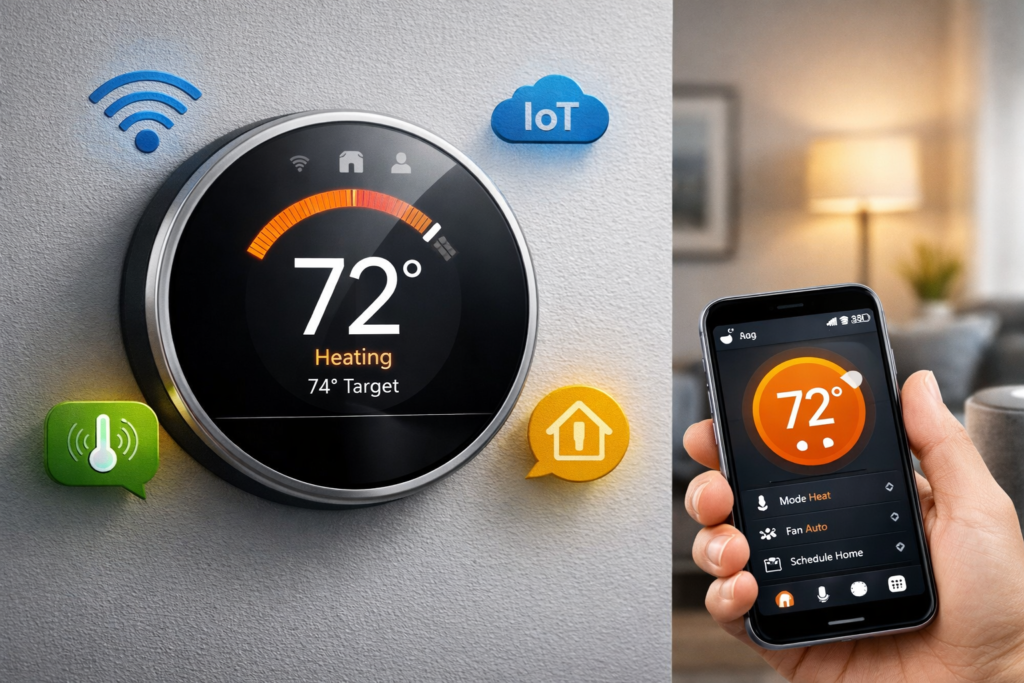
What Is a Smart Thermostat?
A smart thermostat is a Wi-Fi-enabled device that controls your home’s heating and cooling system. It connects to your smartphone, tablet, or smart home ecosystem, allowing you to adjust indoor temperatures from anywhere.
Unlike conventional thermostats, smart models can:
- Learn your daily routine
- Automatically adjust temperatures
- Create customized schedules
- Monitor energy usage
- Integrate with voice assistants
- Use geofencing to detect when you’re away
These intelligent features reduce energy waste and improve overall HVAC efficiency.
Why Heating and Cooling Increase Electricity Bills
Heating and cooling systems are among the largest energy consumers in most homes. Air conditioners, heat pumps, and furnaces often run longer than necessary due to manual settings or forgotten adjustments.
Common causes of higher electricity bills include:
- Leaving the AC running while you’re away
- Maintaining the same temperature 24/7
- Overcooling or overheating rooms
- Inefficient scheduling
- Running HVAC systems during peak hours
A smart thermostat addresses these issues automatically.
10 Ways a Smart Thermostat Helps Lower Your Electricity Bill
1. Creates Automatic Temperature Schedules
One of the easiest ways to save energy is by adjusting temperatures based on your daily routine.
For example:
| Time | Suggested Temperature |
|---|---|
| 6:00 AM | Comfortable morning setting |
| 9:00 AM | Energy-saving mode while away |
| 6:00 PM | Comfortable evening setting |
| 10:00 PM | Cooler sleeping temperature |
Instead of cooling or heating an empty home, the thermostat follows your schedule automatically.
2. Learns Your Daily Habits
Many premium smart thermostats include adaptive learning technology. After observing your routine for a few days, the device automatically creates an optimized schedule.
For example, it can recognize:
- When you leave for work
- When you return home
- Your preferred sleeping temperature
- Weekend habits
This minimizes unnecessary HVAC operation without requiring constant manual adjustments.
3. Reduces Energy Waste with Geofencing
Geofencing uses your smartphone’s location to determine whether you’re home.
When everyone leaves:
- The thermostat switches to energy-saving mode.
- Heating or cooling is reduced automatically.
As you approach home:
- Your preferred temperature is restored before you arrive.
This prevents your HVAC system from running while the house is empty.
4. Provides Remote Temperature Control
Ever left home and forgotten to adjust the air conditioner?
A smart thermostat lets you:
- Turn the HVAC system on or off remotely
- Increase or decrease temperatures
- Monitor your home’s climate
- Make changes instantly using a mobile app
Remote access helps eliminate unnecessary energy use.
5. Optimizes HVAC Runtime
Traditional thermostats often cause HVAC systems to run longer than needed.
Smart thermostats analyze indoor conditions and operate your system only when necessary, reducing:
- Compressor runtime
- Fan operation
- Heating cycles
- Cooling cycles
Less runtime means lower electricity consumption.
6. Uses Eco Mode Automatically
Many smart thermostats include an Eco Mode that prioritizes energy efficiency.
When activated, Eco Mode:
- Maintains safe indoor temperatures
- Prevents excessive heating or cooling
- Uses less electricity
- Maximizes savings while you’re away
This simple feature can make a noticeable difference over time.
7. Sends Energy Usage Reports
One of the biggest advantages of a smart thermostat is visibility into your energy consumption.
Most systems provide:
- Daily reports
- Weekly summaries
- Monthly trends
- Estimated savings
- HVAC runtime statistics
These insights help identify opportunities to further reduce electricity usage.
8. Adjusts Based on Weather Conditions
Some advanced smart thermostats use local weather forecasts to optimize heating and cooling.
For example:
- Lower cooling before cooler evenings
- Delay heating during sunny mornings
- Adjust humidity settings automatically
Weather-based optimization reduces unnecessary HVAC operation.
9. Prevents Overheating and Overcooling
Many homeowners set temperatures lower than necessary, believing the home will cool faster. In reality, HVAC systems cool at a consistent rate, and excessively low settings simply keep the system running longer.
A smart thermostat maintains an efficient, consistent temperature, helping reduce wasted energy.
10. Encourages Better Energy Habits
Seeing real-time energy data makes homeowners more aware of their usage.
As a result, many users naturally:
- Adjust schedules more effectively
- Avoid unnecessary cooling
- Set more efficient temperatures
- Reduce electricity consumption over time
How Much Can You Save?
Actual savings vary based on climate, HVAC efficiency, insulation, and household habits. However, many homeowners experience meaningful reductions in heating and cooling costs after switching to a smart thermostat.
Potential factors influencing savings include:
- Home size
- Local weather
- Daily occupancy
- HVAC system efficiency
- Temperature preferences
The combination of automated scheduling, occupancy detection, and energy monitoring often leads to lower monthly utility bills.
Additional Benefits Beyond Lower Bills
A smart thermostat offers more than just cost savings.
Benefits include:
- Improved indoor comfort
- Remote smartphone control
- Voice assistant compatibility
- Automatic maintenance reminders
- Better humidity management
- Reduced environmental impact
- Increased home value
- Enhanced HVAC lifespan
These features make smart thermostats a worthwhile long-term investment.
Tips to Maximize Your Electricity Savings
To get the most from your smart thermostat:
- Create realistic heating and cooling schedules.
- Enable Eco Mode whenever possible.
- Replace HVAC air filters regularly.
- Keep doors and windows closed when the HVAC is running.
- Seal air leaks around windows and doors.
- Pair the thermostat with ceiling fans for better air circulation.
- Avoid setting temperatures much lower or higher than needed.
- Review monthly energy reports and adjust schedules as necessary.
Small adjustments can add up to significant savings over time.
Is a Smart Thermostat Worth the Investment?
For most homeowners, the answer is yes.
Although a smart thermostat requires an initial purchase, the combination of energy savings, convenience, and improved HVAC efficiency often makes it a cost-effective upgrade.
In addition to reducing electricity bills, you’ll enjoy:
- Greater comfort
- Automated climate control
- Remote management
- Smart home integration
- Better insight into your energy usage
Conclusion
A smart thermostat is one of the simplest and most effective ways to lower household electricity costs. By intelligently managing your heating and cooling system, it eliminates wasted energy, adapts to your daily routine, and gives you complete control over your home’s temperature from anywhere.
Whether you’re looking to reduce monthly utility bills, improve comfort, or make your home more energy efficient, investing in a smart thermostat is a practical step toward long-term savings.
Frequently Asked Questions (FAQs)
Do smart thermostats really reduce electricity bills?
Yes. By automating temperature adjustments and minimizing unnecessary HVAC usage, smart thermostats can help reduce overall heating and cooling costs.
Can I install a smart thermostat myself?
Many models are designed for DIY installation, though some HVAC systems may require professional assistance.
Do smart thermostats work without Wi-Fi?
Basic temperature control usually works without Wi-Fi, but features like remote access, scheduling updates, and app control require an internet connection.
Which homes benefit the most?
Homes with central heating or air conditioning systems, regular occupancy patterns, and Wi-Fi connectivity typically see the greatest benefits.
Can a smart thermostat increase HVAC lifespan?
Yes. By reducing unnecessary runtime and optimizing system operation, a smart thermostat may help decrease wear on HVAC components over time.
Call-to-Action
Ready to start saving on your electricity bill? Upgrade to a smart thermostat and enjoy intelligent climate control, improved comfort, and long-term energy savings. Compare the latest models, choose the one that fits your HVAC system, and make your home smarter today.