
Smart Thermostat Features
Smart home technology is changing the way people manage comfort, convenience, and energy usage at home. Among the most useful smart devices available today, smart thermostats have become a popular choice for homeowners looking to simplify daily living while reducing electricity costs.
Unlike traditional thermostats, smart thermostats use advanced automation, WiFi connectivity, and intelligent learning systems to create a more comfortable and energy-efficient home environment. From remote temperature control to voice assistant integration, these devices offer features designed to make life easier in many ways.
In this article, we will explore the most useful smart thermostat features and how they improve everyday comfort, convenience, and energy savings.
What Is a Smart Thermostat?
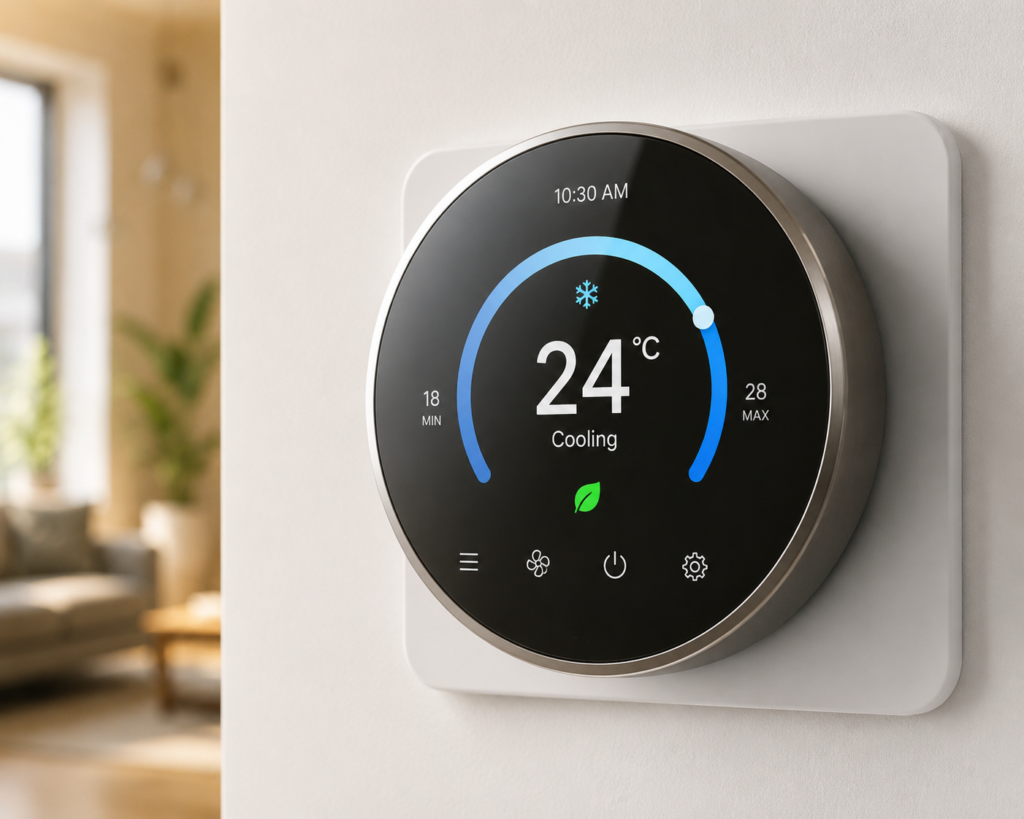
A smart thermostat is a WiFi-enabled device that automatically controls your home’s heating and cooling system. It allows users to adjust temperatures through mobile apps, voice assistants, or automated schedules.
Many modern smart thermostats can also learn your daily habits and optimize indoor temperatures without constant manual adjustments.
Why Smart Thermostats Are Becoming Popular
More homeowners are switching to smart thermostats because they offer:
- Better energy efficiency
- Improved indoor comfort
- Remote control convenience
- Smart automation
- Lower electricity bills
- Easy home climate management
These devices are especially useful for busy households that want automated comfort and energy savings.
1. Remote Control from Anywhere
One of the most popular smart thermostat features is remote access through smartphone apps.
How It Helps
You can control your home temperature from anywhere using your phone.
Examples include:
- Turning on the AC before reaching home
- Adjusting temperatures while traveling
- Switching off cooling remotely
- Monitoring home climate in real time
This feature provides convenience and helps reduce unnecessary energy usage.
2. Smart Scheduling
Smart thermostats allow users to create automatic heating and cooling schedules based on daily routines.
Benefits of Scheduling
The thermostat can automatically:
- Lower cooling during work hours
- Increase comfort before bedtime
- Adjust temperature before waking up
- Save energy when nobody is home
This eliminates the need for constant manual adjustments.
3. Learning Capabilities
Some advanced smart thermostats use artificial intelligence and machine learning to study user habits.
What Learning Thermostats Can Do
Over time, the thermostat learns:
- Preferred temperatures
- Daily schedules
- Sleep patterns
- Occupancy habits
The system then automatically adjusts settings for maximum comfort and efficiency.
This creates a more personalized smart home experience.
4. Energy Usage Reports
Energy monitoring is one of the most valuable features of smart thermostats.
What Energy Reports Show
Users can track:
- Daily energy consumption
- Cooling and heating patterns
- Temperature adjustment history
- Estimated energy savings
These reports help homeowners understand where they can reduce electricity usage.
5. Voice Assistant Integration
Modern smart thermostats often support voice control through smart assistants.
Popular Voice Assistant Support
Many devices work with:
- Amazon Alexa
- Google Assistant
- Apple Siri
Example Commands
You can simply say:
- “Set temperature to 24 degrees”
- “Turn on eco mode”
- “Lower the AC temperature”
Hands-free control makes home management faster and more convenient.
6. Geofencing Technology
Geofencing uses your smartphone location to automate temperature adjustments.
How Geofencing Works
The thermostat detects when:
- You leave home
- You are approaching home
- Nobody is inside the house
It can then automatically:
- Save energy while you are away
- Restore comfort before you arrive
This feature combines automation with energy efficiency.
7. Eco Mode for Energy Savings
Eco mode helps reduce unnecessary power usage while maintaining basic comfort levels.
Benefits of Eco Mode
- Lower electricity bills
- Reduced energy waste
- Environment-friendly operation
- Automatic temperature optimization
Eco mode is especially useful during vacations or long working hours.
8. Multi-Room Temperature Control
Some smart thermostat systems support room-by-room climate management.
Why This Feature Matters
Different rooms may need different temperatures.
For example:
- Bedrooms may need cooler settings
- Living rooms may require balanced temperatures
- Guest rooms may need minimal cooling
Smart sensors allow better comfort throughout the home.
9. Mobile Notifications and Alerts
Smart thermostats can send important notifications directly to your smartphone.
Common Alerts Include
- Temperature changes
- System malfunctions
- Air filter replacement reminders
- Connectivity issues
- Energy usage warnings
These alerts help users maintain HVAC systems more effectively.
10. Weather-Based Adjustments
Some advanced thermostats can access local weather data through the internet.
What This Feature Does
The thermostat automatically adjusts settings based on:
- Outdoor temperature
- Humidity levels
- Seasonal changes
- Weather forecasts
This improves comfort and energy efficiency automatically.
11. Air Quality Monitoring
Certain premium smart thermostats include indoor air quality monitoring features.
Air Quality Features May Include
- Humidity control
- Air circulation monitoring
- Ventilation management
- Filter maintenance reminders
This contributes to a healthier indoor environment.
12. Easy-to-Use Mobile Apps
A good smart thermostat app makes daily temperature management simple.
Helpful App Features
- One-touch controls
- Energy reports
- Schedule editing
- Remote monitoring
- Vacation settings
Easy app access improves user experience significantly.
13. Smart Home Automation Integration
Smart thermostats can work with other smart home devices for complete automation.
Examples of Automation
- Turn off AC when windows open
- Adjust lighting with room temperature
- Activate sleep mode automatically
- Coordinate with smart fans
This creates a seamless smart living experience.
14. Vacation Mode
Vacation mode helps maintain energy efficiency while you are away for extended periods.
Benefits of Vacation Mode
- Prevents unnecessary cooling
- Protects home from extreme temperatures
- Saves electricity
- Maintains minimum comfort levels
This feature is ideal for travelers and frequent vacationers.
15. Maintenance Reminders
Smart thermostats help users maintain HVAC systems properly.
Common Maintenance Notifications
- Filter replacement alerts
- System check reminders
- Performance warnings
- Maintenance scheduling tips
Proper maintenance improves system lifespan and efficiency.
Comparison Table: Smart Thermostat Features
| Feature | Main Benefit |
|---|---|
| Remote Access | Control temperature anywhere |
| Smart Scheduling | Automated comfort |
| Learning Technology | Personalized temperature control |
| Voice Control | Hands-free convenience |
| Energy Reports | Lower electricity usage |
| Geofencing | Automatic home/away settings |
| Eco Mode | Energy efficiency |
| Air Quality Monitoring | Healthier indoor air |
| Mobile Alerts | Easy maintenance tracking |
| Weather Integration | Smarter climate adjustments |
Tips for Choosing the Right Smart Thermostat
1. Check HVAC Compatibility
Ensure the thermostat supports your home cooling and heating system.
2. Focus on Essential Features
Choose features you will actually use regularly.
3. Prioritize Easy Installation
Some models are more beginner-friendly than others.
4. Verify Smart Home Compatibility
Check support for your preferred voice assistant or smart ecosystem.
5. Read Customer Reviews
Reviews help identify real-world reliability and performance.
Are Smart Thermostats Worth It?
For many homeowners, smart thermostats are a worthwhile investment because they provide:
- Better comfort
- Reduced electricity bills
- Improved convenience
- Smart automation
- Long-term energy savings
Over time, the energy savings alone can offset the initial purchase cost. Follow these guide to avoid Smart Thermostat Buying Mistakes before purchase
Concluion
Smart thermostats are more than simple temperature controllers. They combine automation, intelligence, and energy management to create a smarter and more comfortable home environment.
Features like remote access, smart scheduling, geofencing, voice control, and energy monitoring make daily life easier while improving efficiency.
When choosing a smart thermostat, focus on compatibility, ease of use, energy-saving capabilities, and smart home integration. The right device can simplify home climate management and provide long-term value for years to come.
As smart home technology continues to evolve, smart thermostats will remain one of the most practical and beneficial upgrades for modern living.