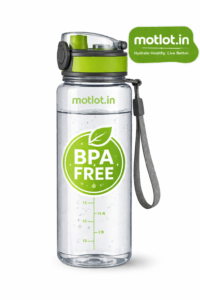
BPA Free Water Bottles: The Complete Guide to Safe Hydration
Everything you need to know before your next purchase — from decoding plastic codes to finding the safest materials for you and your family.
You’ve seen “BPA Free” stamped on water bottles everywhere — but do you know what you’re actually avoiding, and whether the alternatives are truly safer? This guide cuts through the marketing noise. one major reason many choose bpa-free bottles is to reduce exposure to harmful chemicals found in certain plastics. in addition to better health safety, these bottles often come in various designs and materials that appeal to environmentally conscious consumers. the benefits of using bpafree bottles also extend to reducing environmental impact, as many brands now offer options made from sustainable materials.
What is BPA, and why should you care?
Bisphenol A (BPA) is an industrial chemical that has been used since the 1960s to manufacture certain plastics and epoxy resins. It’s found in polycarbonate plastics — the hard, clear variety once common in water bottles, baby bottles, and food containers.
The concern? BPA is an endocrine disruptor. Research has linked it to hormonal interference, developmental issues in children, cardiovascular problems, and metabolic disorders. When plastics containing BPA are heated or scratched, the chemical can leach into your food or beverages.
“The FDA updated its assessment, but independent researchers continue to find health associations at lower exposure levels than previously considered safe.”
In response to growing consumer pressure, most manufacturers reformulated their products. But the shift toward “BPA-free” raised a new question: are the replacements actually better?
Key statistics to know
BPA-free material comparison
Not all BPA-free bottles are created equal. Here’s an honest breakdown of the most common materials on the market today.
| Material | Safety | Durability | Weight | Best For |
|---|---|---|---|---|
| Stainless steel | Excellent | Very high | Heavy | Everyday use, hot & cold |
| Borosilicate glass | Excellent | Moderate | Heavy | Home & office use |
| Tritan plastic | Good | High | Light | Sports & outdoor |
| HDPE (#2 plastic) | Good | Moderate | Very light | Budget everyday use |
| BPS/BPF plastics | Debated | Moderate | Light | Avoid if possible |
How to choose the right BPA-free water bottle
With hundreds of options available, here’s a practical framework for making the right choice.
- Check the material, not just the label. “BPA-free” doesn’t always mean chemical-free. Look for 304 or 18/8 stainless steel, or borosilicate glass for the cleanest option.
- Identify your primary use case. Active outdoor users benefit from lightweight Tritan BPA-Free Bottles Office hydration is better served by a glass bottle.It is better toKids’ bottles should be durable stainless and lightweight
- Consider lid and seal materials. Even safe bottle bodies can have BPA-containing lids. Look for silicone seals and polypropylene (#5) lids.
- Look for third-party certifications. NSF/ANSI 51, FDA compliance, or California Proposition 65 compliance markings add accountability beyond manufacturer claims.
- Replace plastic bottles regularly. Even BPA-free plastics degrade. If your bottle is scratched, cloudy, or smells off — it’s time for a new one.
Red flags to avoid when shopping
- Recycling symbol #3 (PVC) or #7 (other) — may contain BPA or phthalates
- No listed material, no country of manufacture, or no safety certifications
- Unusually cheap “stainless steel” bottles — often have plastic interior coatings
- Bottles marketed as BPA-free but listing BPS or BPF as substitute materials
Frequently asked questions
Make the switch with confidence
The safest choice is the one you actually use. Start with stainless steel for home, then expand your collection from there.
Best BPA Free Water Bottles Up To 45% OFF